Traffic rules in Albania: what to know before you drive
Speed limits, alcohol, police checks and local road habits: the rules that keep you away from fines and risks.
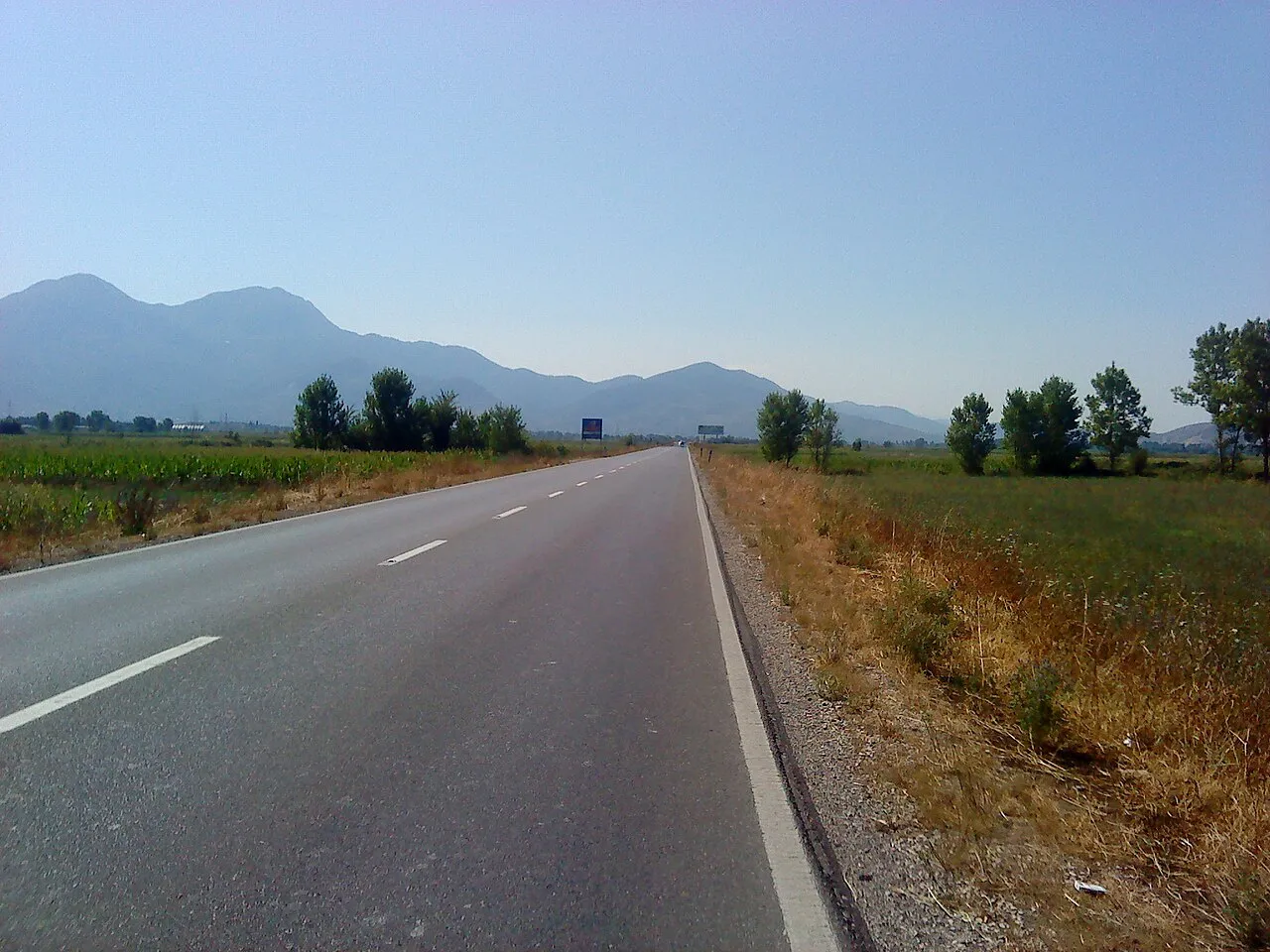
Albania drives on the right and road signs follow the European standard, so most foreign drivers adapt quickly. What surprises visitors is not the driving rules in Albania but the local habits: roundabouts where everybody enters at once, cars that stop suddenly and animals on mountain roads. Here is what you need to know.
Speed limits
General limits are low in towns and rise on the main roads. Many roads have their own limits, especially near villages, schools and bends: the road sign always comes first.
| Road | Usual limit |
|---|---|
| In towns | 40 km/h (50 km/h on some roads, as signed) |
| Outside towns | 80 km/h |
| Main inter-city roads (expressways) | 90 km/h |
| Motorway | 110 km/h |
Alcohol: the simplest rule is zero
Albania has one of the lowest alcohol limits in Europe, practically zero tolerance. A single drink can put you over the limit. The consequences are heavy fines, loss of the licence and, in serious cases, criminal charges. On top of that, rental insurance usually covers nothing when the driver has been drinking.
The rules checked most often
- Seat belts are compulsory for all passengers, front and back.
- Phones only with a hands-free set; the fine also applies when you are stopped at a traffic light.
- Children travel in a seat suited to their age; ask for one when booking.
- Dipped headlights: keep them on during the day too. Many sources describe it as compulsory all year, and it is the easiest way to be seen.
- Documents: always carry your licence, the rental contract and the car papers.
Police checks
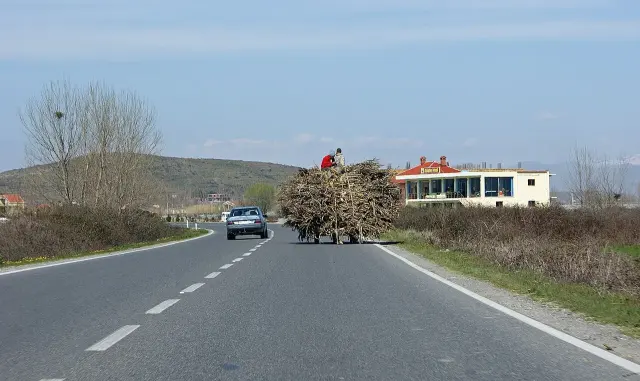
Traffic police often stop cars to check documents, especially when entering or leaving towns. When signalled, pull over, keep your hands on the wheel and show your licence, passport and rental contract. Fines follow an official procedure: always ask for the fine document.
Road habits worth knowing
- RoundaboutsIn theory traffic already in the roundabout has priority, but in practice many drivers enter at the same time. Slow down, watch the other drivers and never take priority for granted.
- Horn and lightsA short horn or a flash of the lights usually means "I am coming through" or "watch out". It is not an insult.
- Sudden stopsMinibuses and taxis stop anywhere for passengers. Keep your distance, especially in town.
- PedestriansThey often cross away from crossings. Take extra care at night, when suburban lighting is poor.
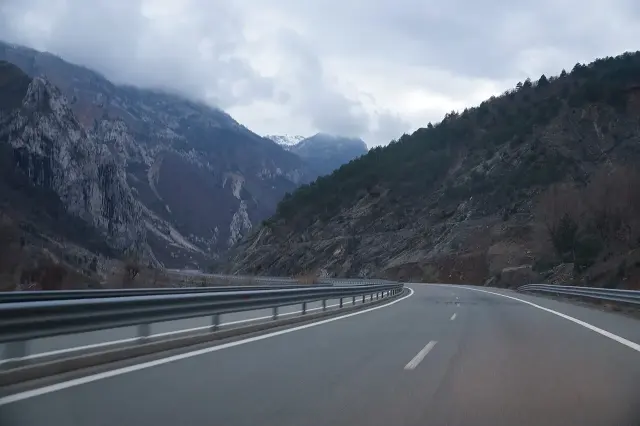
- Mountain roadsSharp bends, stones, sheep and goats on the road. Do not overtake on bends and use a low gear on long descents.
Driving at night and in winter
Outside towns many roads are unlit and road markings may be faded. Plan long drives in daylight. In winter, mountain passes such as Llogara, Qafa e Thanës or the road to Theth can have snow and ice: ask the company about winter tyres or chains and check the weather before you leave. For drive times between cities, see the distance table.
Distances between cities
Kilometres and drive time between the main cities.
All distances →Read also: what to do after an accident or breakdown and fuel, parking and road tolls.
Frequently asked questions
What is the drink-drive limit in Albania?
Practically zero. The safe rule is not to drink at all if you are going to drive.
Do I need my headlights on during the day?
Yes, keep your dipped headlights on. It is a widespread rule and makes you more visible on shaded, winding roads.
What happens if I get a fine in a rental car?
The fine is linked to the car. The company may pass the payment on to you, often with an administrative fee, even after you have returned the car.
What is the traffic police number?
126. For any emergency you can also call 112.